Foundations of Essential Oil Therapy
Final Exam
Submit Case Studies (FAF)
Lesson 4: Safety and Internal Use
Safety and Internal Use
- Know your essential oils! You should be proficient in your knowledge of the essential oils covered in this program, and maintain your proficiency as you add essential oils to your collection.
- Know the prescription medications your client or patient is taking, including dosage of each and how they feel the medication is affecting them.
- Know the dietary supplements your client or patient is taking, including dosage of each and how they feel the supplements are affecting them.
- Evaluate each client every 2-4 weeks. Adjust remedies as needed.
- Understand the client’s constitution: their strengths and weaknesses, their family genetics, and other factors.
- Red flags: Be able to identify signs that an individual needs to go their general physician.
➞ New, Sudden onset chest pain
➞ Fever > 104o F or 102oF constant over 4 days despite treatment
➞ Severe abdominal pain
➞ Client is disoriented and/or confused.
➞ Malignant hypertension
➞ Client has clammy hands, is figidity, dilated eyes: could be having a thyroid storm.
➞ Gail imbalances.
➞ Shortness of breath on rest.
- Contraindications and cautions: Know the contraindications and cautions for each essential oil you use within a formulation. If your client is on medication, verify that each essential oil is not contraindicated.
- Consider the time frame: Sometimes a semi-toxic essential oil is indicated in the treatment of an acute condition (e.g. basil ct. methyl eugenol for intestinal parasites), but it should not be used long term in the treatment of chronic conditions. Gentler oils may be used over a longer period of time.
Dosage Safety: At What Dilution?
The dosage you choose to use for any given formulation depends on:
- The condition being treated, and whether it is in an acute or chronic state
- The method of application (internal, cutaneous, diffusion, etc.)
- The safety data of essential oils to be used, and established guidelines when applicable
- The integrity of the skin, if administered cutaneously
- The age of the client or patient who will be using the formulation
- The specific goal of treatment
- The medication an individual is taking
- The knowledge and confidence of the practitioner
- The current commonly or generally accepted dosage
Review of Oral
Synopsis: Dosage and time frame for oral route
The typically recommended oral dosage is 1-3 drops for adults, 2-3 times a day (b.i.d. or t.i.d.).
Maximum daily dose: 12 drops, dependent on age of client, general health, medication, purpose, essential oils used, and nature of condition.
The oral route is used once a child is over 7 years of age. Some exceptions apply, e.g., a low dilution in cough syrup for a child aged 5 or 6. Rectal suppositories are used to treat infants and children under the age of 7. Always base internal administration on the dosage safety guidelines given above.
For acute conditions: Oral dosage should be used for up to 21 days total. Start with a high dosage for 1-4 days and then reduce to lower dosages. Use a very low dosage for the final 4 days.
For chronic conditions: Administer essential oils orally 21 days out of the month, then go 5-7 days without oral use. Or administer 1-2 drops 3 times a day for an extended period of time. Liver panels are recommended when a client is taking essential oils internally for over 1 year.
Here is the oral route posology chart you can refer to when formulating.
| Oral Route Posology Chart | ||
|---|---|---|
| Method of Use | Posology | |
| Oral Route: ADULTS Includes: Honey, Neutral tablet, Sublingual, In water with solubol or disper, etc. | Acute: Adult Phase I: 1-5 drops, 3-5x a day. Duration is determined by evolution of clinical evaluation of client. Initial 2-7 days depending on condition. Phase II: 1-3 drops t.i.d. 4-5 days. Phase 3: Client returns for evaluation. Treatment is either stopped or continued, or other methods of application are integrated into care plan. | Chronic conditions: Adult Phase I: 1-4 drops, 3x a day. Duration is determined by evolution of clinical evaluation of client. Phase 2: Client returns for evaluation. Treatment is either stopped or continued or other methods of application are integrated into care plan. |
| Oral Route: Children Includes: Honey, Neutral tablet, Sublingual, In water with solubol or disper, etc. | Acute: Child over age of 7 yrs old | Chronic: Child over age of 7 yrs old |
| Phase 1: 1 drops, 6-8x a day. Duration is determined by evolution of clinical evaluation of client. 2-6 days depending on condition. Phase 2: 1 drop t.i.d. in continuance is indicated. 2-3 days. Phase 3: Evaluation. Decide on further treatment. | Phase 1: 1-2 drops, 2-3x a day. Duration: 14 days each month Phase 2: . Rest 14 days. No internal essential oils. Can use herbal preparations and external aromatic applications. Repeat Phase 1 and 2. |
|
| Oral Route: Children under the age of 7 | Acute: Child under age of 7 yrs old | Chronic: Child under age of 7 years old |
| See Rectal Suppositories Can offer cough syrup 1 to 1.5 drops essential oil per serving (5-7 yrs old) | Rectal route is preferred but internal use of non-irritant essential oils would be fine too for children ages 3-5. Phase 1: 1 drops, 2-3x a day. Duration: 14 days each month Phase 2: . Rest 14 days. No internal essential oils. Can use herbal preparations and external aromatic applications. Repeat Phase 1 and 2. |
|
| Cough Syrup | Adults: 1-2 drops per serving Children > 7: 1-2 drops per serving Children 5-7: 1 drop per serving Under 5-1: Utilize hydrosols/honey syrup Under 1: Use hydrosols only **Formulate syrup to contain dosage per serving as indicated above. |
|
| Cough Drops Aromatic/Herbal Pastilles | Adults: 1-3 drops per serving Children > 7: 1 drop per serving Children 5-7: 1 drop per serving Under 5 - Infants: Do not use. **Formulate drops or medicine ball recipe to contain dosage per serving as indicated above. |
|
Recommended book:
Essential Oil Safety, 2nd edition.
By Robert Tisserand and Rodney Young
Lesson 3: The Oral Route
The Oral Route

The Oral route includes the following pathways:
➞ Oral (in the mouth):
Oral administration allows for aromatic molecules to enter the digestive tract. Oral use of essential oils leads to a loss of some of the active principals due to first pass hepatic metabolism. Some components that enter the mouth may be absorbed through the cheeks, the tongue or the lining of the throat.
Excipients include: honey, alcohol, gelatin capsules, herbal tinctures, neutral tablets, sugar cube, honey, milk, fatty oil capsules, charcoal, tincture/s, bread, rice flour capsules, syrups, dried powdered herb capsules.
The Oral Route is indicated for:
Digestive disorders, infectious diseases, immune support, candida infections, liver detox/cleanse, liver support, preventative to tropical diseases, colds, coughs, flu, sinusitis, oral candida, periodontal disease, mouth ulcers, terrain support, urinary tract infections, insomnia, some acute nervous states: anxiety, etc.
Excipients for Oral Use (by mouth):
✓ Honey: Impregnating honey with aromatic molecules makes an aromatic honey that is excellent for oral use. The sweet taste of honey increases patient compliance, and honey has additional medicinal qualities of its own. Prepare an herbal honey by mixing 2-3 drops of essential oil per milliliter of honey. To make it easier to mix the essential oils in, gently warm the honey jar in a pot filled with water to liquefy the honey. Or add 1-3 drops of essential oil or essential oil synergy to a tablespoon of honey, stir with a toothpick, and take orally.
✓ Alcohol: Alcohol is a good solvent for aromatic molecules. Some of the heavier aromatic constituents such as sesquiterpenes are soluble only in strong alcohol (above 80 proof).
✓ Gelatin Capsules with vegetable oil and essential oil/s: This is the optimal way of delivering potentially harsh essential oils such as cinnamon bark. The internal use of capsules has a strong affinity to the digestive system, so they are indicated for constipation, dyspepsia, difficulty swallowing, certain liver imbalances, tropical disease prevention, and hepatitis. Other indications for capsules include bronchitis, laryngitis, pharyngitis, chronic smokers’ cough, urinary tract infections or cystitis, and some nervous system imbalances such as insomnia, stress and anxiety.
✓ Herbal Tinctures: Herbal tinctures are often made with strong alcohol. Essential oils can increase the therapeutic potential of herbal formulations.
✓ Neutral tablet (Available in Europe): Neutral tablets are widely used as an excipient for the oral use of essential oils.
✓ Other excipients: Sugar cube, bread, charcoal, powdered herbal capsules, milk, rice flour capsules, syrups, and dried powdered herb capsules.
Essential Oils into Water
✓ Solubol: Solubol is a natural, non alcoholic dispersant that makes dispersing essential oils into water very easy and thus enabling essential oils to be added to a glass of water.
Ingredients: Glycerin, Cocos nuciera, Lecithin, Maltodextrin, Acacia, Tocopherol, Ascorbic acid, Rosmarinus officinalis.
To use: Blend together 1 part essential oil to 4 parts Solubol. Shake well. Add 3-4 drops to glass of water or juice. Can be used to add essential oils to the bath as well.
✓ Disper: Disper is similar to Solubol but contains 70 degree alcohol solution. Disper also aids the absorption of essential oils by the digestive tract.
Ingredients: Alcohol, Almond extract (prunus dulcis), lecithin, oleic acid, vit C, vit E.
To use: Combine 80-90% Disper to 20-10% essential oil and then place 1-2 drops in a glass of water. Or place 1-2 drops essential oil/synergy and 8-10 drops disper in a glass of water, stir and drink.
Note: Solubol and Disper increase the surface contact of the essential oils with mucous membranes and the skin. The dispersants disperse millions of fine particles of essential oils in water. Each particle covers itself with the dispersant, forming liposomes, and acquires a negative charge that prevents them from grouping together again. Dispersed in the form of liposomes, the essential oils are activated thanks to the negative charge of phospholipids, which amplifies their effect. This makes the essential oils more active, and a lower dose can be used.
Dosage for Oral Use
| Oral Route Posology Chart | ||
|---|---|---|
| Method of Use | Posology | |
| Oral Route: ADULTS Includes: Honey, Neutral tablet, Sublingual, In water with solubol or disper, etc. | Acute: Adult Phase I: 1-5 drops, 3-5x a day. Duration is determined by evolution of clinical evaluation of client. Initial 2-7 days depending on condition. Phase II: 1-3 drops t.i.d. 4-5 days. Phase 3: Client returns for evaluation. Treatment is either stopped or continued, or other methods of application are integrated into care plan. | Chronic conditions: Adult Phase I: 1-4 drops, 3x a day. Duration is determined by evolution of clinical evaluation of client. Phase 2: Client returns for evaluation. Treatment is either stopped or continued or other methods of application are integrated into care plan. |
| Oral Route: Children Includes: Honey, Neutral tablet, Sublingual, In water with solubol or disper, etc. | Acute: Child over age of 7 yrs old | Chronic: Child over age of 7 yrs old |
| Phase 1: 1 drops, 6-8x a day. Duration is determined by evolution of clinical evaluation of client. 2-6 days depending on condition. Phase 2: 1 drop t.i.d. in continuance is indicated. 2-3 days. Phase 3: Evaluation. Decide on further treatment. | Phase 1: 1-2 drops, 2-3x a day. Duration: 14 days each month Phase 2: . Rest 14 days. No internal essential oils. Can use herbal preparations and external aromatic applications. Repeat Phase 1 and 2. |
|
| Oral Route: Children under the age of 7 | Acute: Child under age of 7 yrs old | Chronic: Child under age of 7 years old |
| See Rectal Suppositories Can offer cough syrup 1 to 1.5 drops essential oil per serving (5-7 yrs old) | Rectal route is preferred but internal use of non-irritant essential oils would be fine too for children ages 3-5. Phase 1: 1 drops, 2-3x a day. Duration: 14 days each month Phase 2: . Rest 14 days. No internal essential oils. Can use herbal preparations and external aromatic applications. Repeat Phase 1 and 2. |
|
| Cough Syrup | Adults: 1-2 drops per serving Children > 7: 1-2 drops per serving Children 5-7: 1 drop per serving Under 5-1: Utilize hydrosols/honey syrup Under 1: Use hydrosols only **Formulate syrup to contain dosage per serving as indicated above. |
|
| Cough Drops Aromatic/Herbal Pastilles | Adults: 1-3 drops per serving Children > 7: 1 drop per serving Children 5-7: 1 drop per serving Under 5 - Infants: Do not use. **Formulate drops or medicine ball recipe to contain dosage per serving as indicated above. |
|
Infants and Young Children
Treatment of Acute Infections
The rectal route is the preferred route of treatment for children under the age of 5. There are exceptions of course but this is the general rule. Dosage for rectal suppositories will be covered under suppositories.
Treatment of Chronic Conditions
We recommend visiting a qualified endobiogeny practitioner to work with chronic illness in infants and young children.
Older Children and Adolescents
Treatment of Acute Infections
Phase 1: 1 drop, 6-8x a day. Duration is determined by evolution of clinical evaluation of client. 2-6 days depending on condition.
Phase 2: 1 drop t.i.d. in continuance is indicated. 2-3 days.
Phase 3: Evaluation. Decide on further treatment.
Treatment of Chronic Conditions
Phase 1: 1-2 drops, 2-3x a day. Duration: 14 days each month
Phase 2: Rest 14 days. No internal essential oils. Can use herbal preparations and external aromatic applications.
Repeat Phase 1 and 2.
➞ Sublingual Route:
Essential oils are administered sublingually by placing one drop of essential oil under the tongue. The essential oil passes into the blood stream through the ventral surface of the tongue and the floor of the mouth.
Essential oil components are absorbed into the reticulated vein underneath the oral mucosa, and are transported through the facial veins to the internal jugular vein and finally to the braciocephalic vein, where the blood flows into systemic circulation.
Advantages of Sublingual dosing:
- Bypasses extensive hepatic first pass metabolic process
- Rapid onset of action (peak blood levels are reached in 10-15 minutes)
- Patient compliance, easily self-administered (although it can be a challenge for individuals to dose exactly one drop)
- Dysphagia (difficulty in swallowing) is common, especially in pediatric, geriatric, and psychiatric patients. Sublingual dosing does not require swallowing.
- Absorption through the sublingual route is 3 to 10 times greater than through the oral route, and is only surpassed by hypodermic injection.
- Short-acting.
Note from Cathy: I remember, my teacher Patrice de Bonneval would always put a drop of essential oil under his tongue whenever we went somewhere together.
Indicated for:
Upper respiratory congestion, respiratory tract infections, acute anxiety, lowered immunity, acute insomnia, energetic properties, nausea, rhinitis, allergies
Dosage
(For adults and adolescents only): 1 drop of essential oil or synergy under tongue, b.i.d. or t.i.d., as needed.
Buccal dosage: Place 1 drop of essential oil or synergy placed in the mouth between the upper gums and cheek to treat local and systemic conditions.
Synopsis: Dosage and Time Frame for Oral Route
The recommended oral dosage for essential oils is 1-3 drops for adults, 2-3 times a day (b.i.d. or t.i.d.). Maximum daily dose is 12 drops.
The oral route can be used once a child is over 7 years of age. Some exceptions apply, e.g. a low dilution in cough syrup for a child aged 5 or 6.
In France, rectal suppositories are used to treat infants and children under the age of 7.
For acute conditions: use oral dosage for up to 21 days total.
For chronic conditions: use essential oils for 2 weeks out of a month or take 1 drop 3x a day for an extended period of time.
**Please note: Trained Endobiogeny Doctors (MDs) and practitioners utilize essential oils within herbal mother tinctures, herb-based capsules and vegetable oil capsules to treat chronic conditions. Individuals are often taking this medication daily and over an extended period of time. I believe we will begin to see more education on the treatment of chronic health diseases with herbs and essential oils combined. Here is an example of an endobiogeny clinic in the United States.
Watch: How to make essential oil capsules
Lesson 2: Aromatic Medicine – Methods of Application
Methods of Application
The aromatic medicine model utilizes essential oils in diverse ways. The core applications are:
- Cutaneous route (dermal application)
- Oral route (via the mouth)
- Rectal suppositories and vaginal pessaries
- Diffusion and inhalation
- All other methods considered to be within the model of Anglo-Saxon aromatherapy
In this course we have covered #1, #4 and #5.
The following chart is an overview of the various methods of application of essential oils. All of these charts will help you decide which method of application best suits each individual, depending on their constitution, condition, and goals of treatment, and on their willingness to use a specific method.
| Methods of Application: Cutaneous Route | |
|---|---|
| Method | General Indications |
| Body Oils / Massage Oils Abhyanga | ● Stress and anxiety ● Headaches/migraines ● Insomnia ● Chronic or acute pain relief ● Arthritis or Rheumatism (subacute phase) ● Chronic muscular and joint aches and pains ● Pregnancy, childbirth, and postpartum massage ● Reduce inflammation ● Enhance immunity ● Relax and soothe muscles and joints ● Reduce and relieve muscle spasms ● Relieve nerve pain ● Provide a cooling or warming effect ● Relax and soothe the nervous system ● Provide specific treatment of sprains, strains, and repetitive movement injuries ● And much more! |
| Facial cream, lotion, or oil | ● Slow and influence aging of skin ● Scar reduction ● Support and enhance immune cells of the skin ● Increase local circulation ● Balance sebum production ● Improve tone of skin ● Hydrate the skin by preventing transepidermal water loss ● Soften and soothe the skin ● Enhance and support wound healing ● Address emotional issues |
| Gel | ● Inflamed skin conditions ● Muscular aches and pains ● Beneficial for thin or fragile skin ● Varicose veins ● Hydrate the skin ● Migraines and headaches ● Burns ● Wound healing ● To cool inflamed conditions ● Nasal application |
| Full body baths | ● Reduce stress and anxiety ● Alleviate muscular aches and pains ● Soothe mental or physical fatigue ● Stimulate circulation ● Enhance lymphatic circulation ● Reduce pain and stiffness ● Provide emotional comfort and self-nurture ● Improve tone and health of skin ● Aid detoxification |
| Foot and Hand baths | ● Relieve stress and anxiety ● Open up nerve pathways in the feet via reflex points ● Support healthy circulation ● Increase energy ● Foot and hand aches and pains ● Arthritis and rheumatism (subacute phase) ● Nail and toe fungus ● Comfort therapy ● Use before reflexology or massage session |
| Sitz baths | ● Hemorrhoids ● Atonic constipation ● Chronic pelvic inflammatory disorder ● Chronic prostatitis ● Rectal fissures |
| Compress | ● Muscular aches and pains (hot or cold as indicated) ● Sprains and strains (hot or cold as indicated) ● Menstrual cramps (warm or hot) ● Respiratory congestion (warm or hot) ● Bruises (cold or warm) ● Skin inflammations (cool or cold) ● Varicose veins (cool or cold) ● Comfort care (warm) |
| Hot towels (for massage sessions) | ● Relax tight or sore muscles ● Increase overall relaxation ● Improve local circulation ● Remove salt glows, scrubs, or masks ● Use as a welcoming or departing ritual, just prior to or immediately following a massage session |
| Salt scrub | ● Enhance circulation ● Support detoxification ● Cell regeneration ● Energizing ● Relieves lethargy and heaviness ● Enhances lymphatic circulation ● Supports immunity |
| Facial steams | ● Open and unblock pores ● Cleanse skin ● Antimicrobial activity |
| Lip balms | ● Protect and nourish the lips ● Soothe dry lips ● Moisten lips |
| Body butters | ● Skin issues: Dry, cracked skin conditions ● Nourishing to the skin |
| Salves | ● Dermal inflammation ● Scar therapy: Reduce inflammation, aid healing, and improve scar appearance ● Musculoskeletal aches and pains or spasms ● Skin issues: Dry, cracked skin conditions ● Wound healing ● Respiratory congestion ● Stress, anxiety, and distress ● Natural perfume |
| Mouth wash | ● Bad breath ● Periodontal disease ● Mouth ulcers or sores ● Infection of the mouth ● Thrush (candida in the mouth) |
| Undiluted application | ● Acne (spot treatment only) ● Cold sore ● Burn ● Minor skin trauma or infection ● Migraines ● Spasmodic cough (apply to thorax and upper back) ● Muscle trauma or bruising ● Reflex or acupressure work ● Lymph congestion ● Antimicrobial activity (skin infection) ● Friction for an isolated region: the thorax, solar plexus or feet to affect a given system or overall immunity, etc. |
| Methods of Application: Internal Route | |
|---|---|
| Method | General Indications |
| Oral Route Includes: Honey, Neutral tablet, Sublingual, In water with solubol or disper, etc. | ● Digestive disorders Infectious diseases ● Immune support ● Liver detox or cleanse, liver support ● Preventative to tropical diseases ● Colds, coughs, flu, sinusitis ● Oral candida, periodontal disease, mouth ulcers ● Terrain support ● Urinary tract infections ● Reproductive/hormonal imbalances, etc. ● Anxiety, difficulty sleeping, calm nervous system |
| Rectal Suppositories | ● Hemorrhoids, rectal fissures ● Lower respiratory infections ● Gastrointestinal infections ● Inflammatory diseases of the upper airways: Cough, flu, acute and chronic bronchitis, non-productive coughs, oropharynx congestive states ● Prostatitis |
| Vaginal Pessaries | ● Vaginal infections (e.g. vaginal thrush) ● Soothe and heal inflamed tissue (e.g. vaginitis) ● Astringent to excessive discharge ● Lubricate dry tissue ● Postpartum vaginal healing ● Bacterial vaginosis |
| Cough Syrup | ● Coughs ● Deliver medicine to children |
| Cough Drops | ● Coughs ● Oral or systemic candida ● Deliver essential oils orally; increases compliance and controls dosage. |
Lesson 1: Introduction to Aromatic Medicine
Cypress
Cypress
Cupressus sempervirens L.
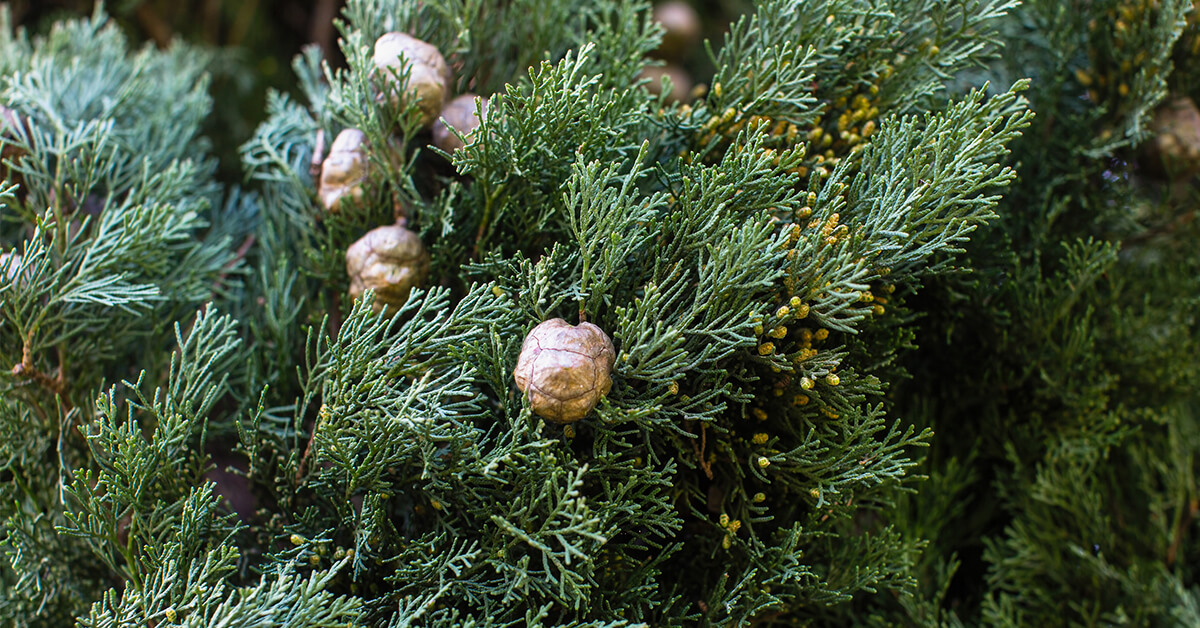
Watch: Presentation on Cypress with Jade Shutes
Cypress VIDEO PDF FILE
BOTANICAL INFORMATION
Common names: Mediterranean cypress, Italian cypress
Scientific name: Cupressus sempervirens L.
Botanical family: Cupressaceae
Conservation status: Least concern1
Description: Mediterranean cypress is a woody tree in the Cupressaceae family native to the Eastern Mediterranean. C. sempervirens grows up to 30 m tall, and features grayish brown bark with shallow fissures. Branches grow vertically in some cultivars and spread horizontally in others. Seed cones are ellipsoid and yellowish gray when ripe.
Cypress grows on well-drained sandy, loamy and heavy clay soils. The tree can tolerate nutritionally poor soil, but suffers in humid soils rich in organic matter. Cypress cannot survive shade. C. sempervirens is found in woodlands, interior valleys, and coastal mountains at elevations of 500-2000 meters. It thrives in regions with dry, hot summers and winter rain, or semi-arid climates.
Cupressus sempervirens ranges through Libya, southern Greece, Turkey, Cyprus, Syria, Lebanon, and Iran, but its precise provenance is unclear. The tree has a long horticultural history in the Mediterranean region, which has somewhat obscured its original native distribution. The tree is now found widely throughout the whole Mediterannean, and in regions with similar climates such as California, South Africa, and southern Australia.
Cypress has symbolic and social value in the Mediterranean, and is commonly found along roadsides, and in gardens, parks, and cemeteries. C. sempervirens has long been used as an ornamental and timber tree, as a windbreak, and in medicine and perfumery. The species name sempervirens is Latin for “evergreen”.2
Ethnobotany: C. sempervirens has myriad medicinal applications. The dried cones and young branches were valued for their anthelmintic, antipyretic, antirheumatic, antiseptic, astringent, vasoconstrictive, and antifungal properties. Cypress was taken internally to treat whooping cough, hemoptysis, spasmodic cough, colds, flu, and sore throats. A paste of the cones and young branches was applied topically to treat haemorrhoids. Cypress was also used as a diuretic, and to promote circulation to the kidneys and bladder, improve bladder tone, and relieve incontinence and enuresis.3
EXTRACTION INFORMATION
Country of origin: France, Italy
Part of plant used: Leaves, twigs, cones
Extraction method: Distillation
Essential oil yield: 0.51 – 0.92% w/w
Color of oil: Pale yellow
AROMATIC CHEMISTRY
Twenty-four unique components account for 92.95% of Cypress essential oil. Core components include: α-pinene (30-37.14%) and delta-3-carene (19.67-24%). Other components include:
Monoterpenes: ⍺-pinene (30-37.14%), delta-3-carene (19.67-24%), a-thujene (1.66%), a-fenchene (1.31%), b-pinene (2.11-2.6%), b-myrcene (3.63-4.1%), o-cymene (1.22%), limonene (4-5.43%), y-terpinene (1.2%), a-terpinolene (4.69-6.6%)
Sesquiterpenes: germacrene d (1.36-4%), b-caryophyllene (1.2%), a-humulene (1.3%)
Sesquiterpenol: ⍺-cedrol (4.99%)
Ester: a-terpenyl acetate (6.6%)
Ether/oxide: 1,8 cineole (1.18%)4,5,6
SAFETY INFORMATION
- Caution: Due to the monoterpene content, it is important that the essential oil be stored properly (e.g., in a dark container in the refrigerator or in a cold room away from sunlight and heat). Oxidized essential oils should not be used in body care products or formulations designed for dermal application. The essential oil can, however, be used for cleaning products.
- Average shelf life for monoterpene-rich essential oils, when stored correctly is 1-3 years.
THERAPEUTIC ACTIONS
| System | Action |
|---|---|
| Musculoskeletal system | analgesic, antirheumatic |
| Respiratory system | antitussive |
| Skin | antiperspirant, antiseborrheic, anti-sudorific, astringent, deodorant, vulnerary |
| Lymphatic system | decongestant |
| Cardiovascular system | vasoconstrictor |
| Nervous/Emotion | restorative (nervous system) |
| General | antibacterial, antimicrobial and antibiofilm7, antioxidant8,9 , antiseptic, antispasmodic |
SYSTEM AFFINITIES
Respiratory, Circulatory, Lymphatic
BLENDING INFORMATION
Aroma description: Piney, woody, refreshing
Blending Factor: 5
Note: Mid note
Blends well with: Lemon, geranium, rose, saro, clary sage, sweet marjoram, niaouli, cedarwood, helichrysum, black spruce, rosemary, rosalina, bergamot, juniper berry, lavender, black pepper
CORE INDICATIONS
- Circulatory system: varicose veins, nosebleeds, hemorrhoids, pyorrhea (bleeding gums), cellulite, bruises, edema (particularly of lower limbs) (C+++)
- Digestive system: diarrhea, preventative to sore throat (O+++, RS+++, Sz+++)
- Lymphatic system: congestion in lymph system (C+++, O+++)
- Reproductive system: excess blood flow during menstruation (menorrhagia), dysmenorrhea, cramps, menopause sweating (C+++, O++)
- Respiratory system: infection of the throat, nose, or bronchi in early phase10, coughs particularly spasmodic dry coughs, bronchitis, asthma, flu, sore throat, whooping cough/pertussis, laryngitis, decongesting (O+++, I+++, D+++)
- Skin: oily, sweaty skin and feet, broken capillaries, rosaceae, bruises, cellulite, supportive wound healer, excessive sweating (C+++)
- Psyche/emotion: calming, contractive (great for when individual feels overwhelmed), helpful during times of transition and bereavement, anxiety, excessive talking, excessive thinking, deepens yet contracts the breath (useful for focus), bedwetting11 (I+++, D+++)
Research
General
- Cypress (Cupressus sempervirens) essential oil possesses biological properties.
Cupressus sempervirens essential oil acts as expectorant, antipyretic, diaphoretic, and urine enhancer; externally it has been used for treating coughs and bronchitis, for hemorrhoids and against foot sweating.12
In Vitro Studies
- Cypress (Cupressus sempervirens) essential oil combined with Lavender (Lavandula angustifolia) essential oil were effective combination exhibit anticandidal activity.
The combination of Lavandula angustifolia essential oil with Cupressus sempervirens essential oil proved highly effective against Candida albicans.13
Laurel
Laurel
Laurus nobilis L.
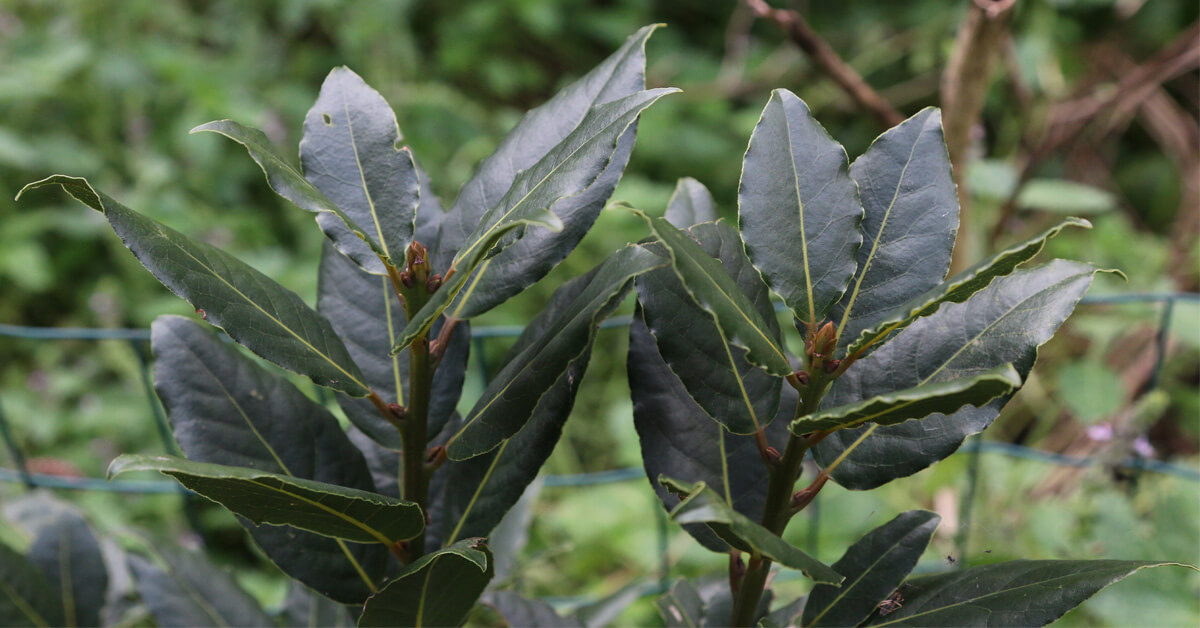
Watch: About Laurel Essential Oil with Jade Shutes
BOTANICAL INFORMATION
Common names: Bay Laurel, Laurel, Sweet Bay-Tree, True laurel, Roman laurel
Scientific name: Laurus nobilis L.
Botanical family: Lauraceae
Conservation status: Least concern1
Description: Bay laurel is a broadleaf evergreen in the Lauraceae family native to the Mediterranean. It is a pyramidal, aromatic large shrub or tree that typically grows 10-30 feet tall, but can reach as high as 60 feet. The glossy dark green leaves are leathery and thick, elliptic to oval, and 2-4 inches long. Diminutive yellow-green flowers bloom in spring. If pollinated, the flowers are succeeded by single-seeded purple/black berries. Laurel thrives in rich, moist, well-drained in part shade to full sun.
In ancient Greece bay leaves were woven into wreaths that signified victory. The genus name is derived from the Latin for “laurel,” while the specific epithet nobilis means “notable” or “excellent”.2
Ethnobotany: Bay laurel has a long history of traditional use in food and medicine. The leaves, fresh and dried, were used to flavor soups and stews, and were an indispensable ingredient in certain spice mixes. L. nobilis has been used to treat many ailments, particularly those involving the digestive system. The leaves have been used as a remedy for upper respiratory tract maladies, including bronchitis and influenza, and have been used to ease arthritic aches and pains. Bay is thought to settle the stomach, tone the digestive tract, stimulate appetite, and increase gastric secretions.
The plant is highly resistant to pests and disease, and appears to confer these properties to neighboring plants. The highly aromatic leaves have been used as insect repellent, and the dried leaves stored with grain and beans to protect them from weevils. Bay laurel has also been as a strewing herb, valued for its aroma and antiseptic properties.3
EXTRACTION INFORMATION
Country of origin: Morocco, France, Croatia
Part of plant used: Leaves
Extraction method: Distillation
Essential oil yield: 0.5-3.5% for fresh leaves | 1.25-2.5% for dried leaves
Color of oil: Clear, pale yellow
AROMATIC CHEMISTRY
Over 81 unique components account for 98.74% of the whole essential oil. Core components include: 1,8 cineole (31.9-68.82%), sabinene (3.32-12.2%), trans-sabinene hydrate (10.2%).
Ethers (Oxides): 1,8 cineole (31.9-58.59%)
Monoterpenes: sabinene (3.32-12.2%), ⍺-pinene (3.39-5.8%), β-pinene (3.6%), -terpinene (1%),
Esters: trans-sabinene hydrate (10.2%), ⍺-terpinyl acetate (5.9-9.0%),
Monoterpenols: isopulegol (2.5%), linalool (3.8%), ⍺-terpineol (3.3-4.7%)
Phenylpropanoids: eugenol (1.6%) and other components at less then 1%.4,5
SAFETY INFORMATION
- Caution for children: Avoid application of 1,8 cineole-rich essential oils to the face or near the nose of infants and children under age of 3 to 5. Do not instill 1,8 cineole-rich essential oils into the nose of infants or children under the age of 5.
- Dermal application caution: Use caution when applying Laurel essential oil to hypersensitive, diseased or damaged skin, or on the skin of children under 2 years of age.6
THERAPEUTIC ACTIONS
| System | Action |
|---|---|
| Musculoskeletal | analgesic |
| Nervous | neurotonic |
| Immune | anti-infective, febrifuge, immune modulatory |
| Respiratory | anticatarrhal, decongestant, expectorant, mucolytic |
| Skin | antimycotic/antifungal |
| General | broad spectrum antibacterial 7,8, antibiofilm9,10, antifungal11, antimicrobial12, antioxidant13,14,15, antiseptic, antispasmodic, antiviral, stimulant |
SYSTEM AFFINITIES
Lymph and Immune, Respiratory, Musculoskeletal
BLENDING INFORMATION
Aroma description: sweet, fresh, slightly minty camphoraceous
Blending factor: 4-5
Note: Top to mid
Blends well with: Birch, cinnamon leaf, cypress, Eucalyptus globulus or E. radiata, grapefruit, juniper berry, hyssop, inula, lemon, lavender, lime, green myrtle, sweet marjoram, niaouli, peppermint, pine species, ravintsara, rosemary ct. cineole or ct. camphor or ct. verbenone, saro, wintergreen
Substitutions: Juniper berry, lemon, Eucalyptus radiata or E. globulus, niaouli
CORE INDICATIONS
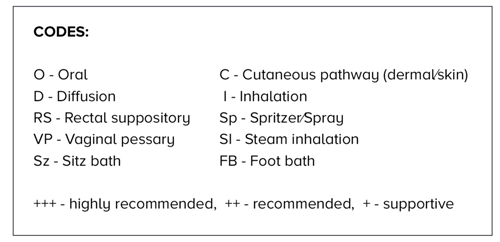
Digestive system: gingivitis, mouth ulcers, excess gas, prevention of oral disease16 (C+++, Mouthwash++)
Lymph and Immune system: lymphatic congestion, edema (C+++, O+++)
*3-10 drops applied topically over lymph nodes effectively supports the lymphatic system in its task of eliminating metabolic waste.
Musculoskeletal system: strains, rheumatism, muscle or joint stiffness, excellent in combination with birch and peppermint in treating muscular aches and pains especially after physical exertion, fibromyalgia, plantar fasciitis, carpal tunnel syndrome, arthritis, rheumatoid arthritis (C+++)
Nervous system: nervous tension, exhaustion, poor concentration, lack of memory, depression, nervous asthenia (C++, I+++, D+++, Fb+++)
Respiratory system: bronchitis, colds, flu or influenza, viral infections (O+++, RS+++, SI+++, I+++, D++)
Bay laurel is an expectorant, counteracts catarrh symptoms, and has a very broad antimicrobial spectrum. It is most effective when used topically. It can be used in acute stages of bronchitis or influenza.17
Skin: oily skin, acne, boils, slow-healing wounds, ulcers, pressure sores, fungal infections/mycoses (C+++)
Psyche/emotion: low self-esteem, self-doubt, lack of energy, inability to move forward (I+++, D+++, Fb+, Sp+)
______________
Ayurveda: Laurel has a strong affinity to the muscular skeletal system and could be considered cooling. It is indicated for imbalances with Kapha. Can also be used to enhance Ojas (Immunity).
Traditional Chinese Medicine (TCM): In TCM, its principal actions are to circulate and regulate Qi-energy and to clear cold phlegm.18
________________
RESEARCH
Human Studies
- Inhalation of Laurus nobilis essential oil increased vigilance in a visual discrimination task.19
Animal Studies
- Laurus nobilis essential oil exhibits analgesic and anti-inflammatory activity. In this study, the analgesic effect of laurel essential oil was found to be comparable to two analgesic, non-steroidal anti-inflammatory drugs.20
- Laurus nobilis essential oil exhibited significant wound healing activity. The essential oil used in this study was rich in 1,8 cineole (61.6%) and terpinyl acetate (13.8%).21
In vitro Studies
- Laurus nobilis essential oil exhibits antifungal and antibiofilm effects against Candida albicans.22
- Laurus nobilis essential oil exhibits strong antibacterial activity.23
Orange, Sweet
Sweet orange
Citrus sinensis (L.) Osbeck syn. Citrus aurantium var. sinensis L.
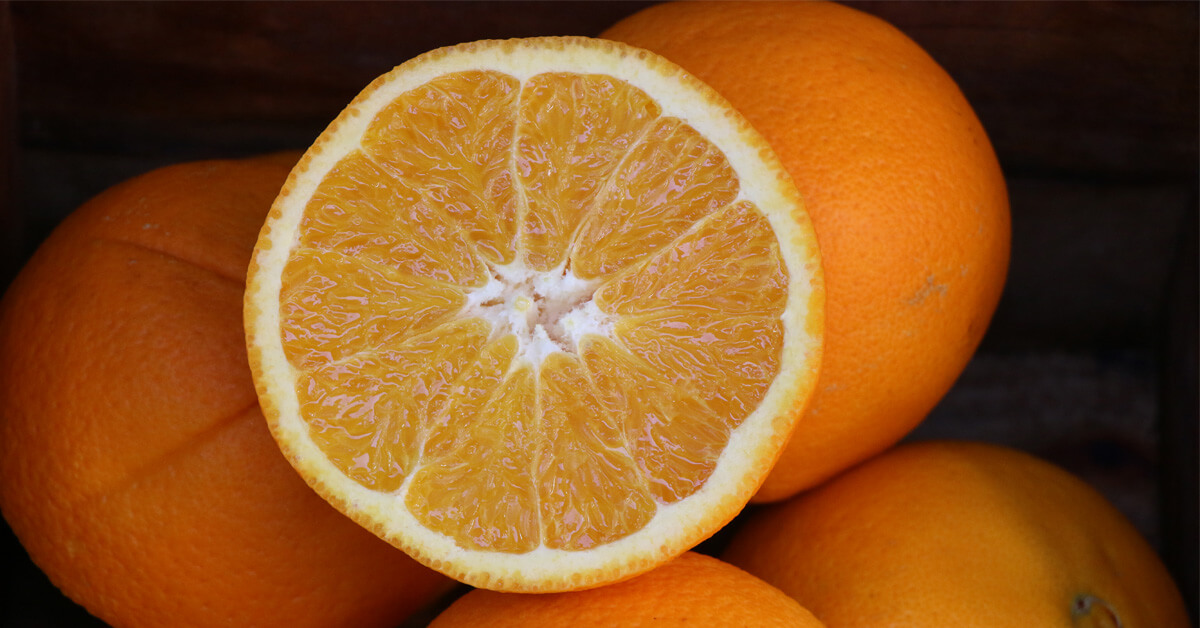
Watch: About Sweet Orange with Jade Shutes
BOTANICAL INFORMATION
Common name: Sweet orange
Scientific name: Citrus sinensis (L.) Osbeck
Synonym: Citrus aurantium var. sinensis L.
Botanical family: Rutaceae
Conservation status: Not defined
Description: Citrus x sinensis is an evergreen flowering tree in the Rutaceae family. Sweet orange typically grows 9-10 meters tall, and features large spines on the branches. The leaves are alternate, with narrowly-winged petioles, elliptical to oval in shape, toothed, and strongly redolent of citrus. Flowers are axillary, borne singly or in whorls. Each flower is composed of five white petals and 20-25 yellow stamens. Fruit is globose to oval, and ripens to orange or yellow. The fruit is divided into the pericarp, or peel, and endocarp, the pulpy inner portion composed of juice sac glands. The skin of the fruit is made up of a waxy epidermis studded with numerous aromatic oil glands.
C. sinensis is native to Asia, and naturalized throughout the Pacific and warm regions of the world. Sweet orange is the most widely cultivated citrus in the world, and accounts for approximately 70% of global annual citrus production.
Ethnobotany: Sweet orange is valued throughout the world as a rich source of antioxidant vitamin C. C. sinensis has been used in traditional systems of medicine to ease constipation, cramps, colic, diarrhea, bronchitis, tuberculosis, cough, cold, obesity, menstrual ailments, angina, hypertension, anxiety, depression, and stress.1
EXTRACTION INFORMATION
Country of origin: Israel, USA, Spain, Italy
Part of plant used: Peel/zest of fruit
Extraction method: Expression or Distillation
Essential oil yield: 0.2-3.5%
Color of oil: Clear to light yellow
AROMATIC CHEMISTRY
Cold pressed essential oil
Thirteen components make up 97.9% of the whole cold pressed Citrus sinensis essential oil. The core components include: d-limonene (90.5-96.7%) and myrcene (1.42-2.5%). All other components were present at less then 1%.2
Distilled essential oil
Forty-seven components make up 97.15% of the distilled essential oil. Core components include: limonene (80.14-89.23%), myrcene (1.77-2.73%), n-octanal (1.08-1.28%), (z)-b-ocimene (2.9%), terpinolene (2.26%), linalool (1.75-2.98%). All other components were present at less then 1%.3,4
SAFETY INFORMATION
- Dermal alert: Sweet orange has a shelf life of 1 – 2 years when stored correctly. Over time, sweet orange, specifically its main component, limonene, oxidizes. When this happens, there is an increase in the chance of dermal sensitization.5 Oxidized citrus essential oils, such as bergamot, should not be used in body care products for application to the skin. The essential oil can, however, be used for cleaning products.
- Average shelf life for monoterpene-rich essential oils, when stored correctly is 1-3 years.
- GRAS status.
- Expressed sweet orange is not phototoxic. **Blood orange (Citrus sinensis L. cv. Sanguinella and Citrus sinensis L. cv. Moro), is a cultivar of sweet orange and its expressed essential oil is also not phototoxic.6
THERAPEUTIC ACTIONS
Airborne antiseptic, anti-inflammatory7, antimicrobial8, antiviral, anxiolytic, carminative, digestive tonic, diuretic, nervine, sedative
SYSTEM AFFINITIES
Nervous, Digestive, Psyche/Emotion
BLENDING INFORMATION
Aroma description: Refreshing, citrusy, orange
Blending factor: 7 – 8
Notes: Top
Blends well with: Neroli, Other citrus essential oils, lavender, jatamansi/nard, sweet marjoram, frankincense species, cedarwood, patchouli, elemi, clary sage, Roman chamomile, coriander seed
Substitutions: Mandarin, lemon, grapefruit, bergamot
CORE INDICATIONS
- General: air purifier (D+++)
- Digestive system: indigestion, nervous stomach, dyspepsia (O+++, I+++, D++, C+++)
- Nervous system: insomnia, anxiety, depression, agitation, restlessness (O+++, I+++, D+++, C+++)
- Psyche/emotion: stress, irritability, depression (O+++, I+++, D+++, C+++)
________________
Traditional Chinese Medicine (TCM): orange unblocks and circulates stagnant Qi-energy, mainly when it accumulates in the liver, stomach, and intestines.
__________________
RESEARCH
Human Studies
• Citrus sinensis (sweet orange) essential oil demonstrated anxiolytic activity.1
• In a small trial of twenty-four individuals (12 men, 12 women), the inhaled aroma of Sweet orange (Citrus sinensis) essential oil increased physiological arousal (sympathetic tone) and at the behavioral level, individuals who inhaled sweet orange rated themselves more alert then the control group. The researchers believe that this furnishes scientific proof that the inhalation of sweet orange may be of benefit for the relief of mild depression and stress in humans. Note: The group was divided into two with one group inhaling sweet orange and the other group inhaling pure water vapor only.10
• Sweet orange (Citrus sinensis) essential oil exhibits ‘harmonizing’ activity when applied to the skin.
A 2007 study published in the International Journal of Essential Oil Therapeutics used a placebo controlled study to examine the effects of transdermal absorption of sweet orange essential oil on autonomic nervous system and on mental and emotional states. The study involved thirty-nine volunteers randomly assigned to either the control group or the sweet orange group. The control group applied 1ml of sweet almond oil while the sweet orange group applied 1ml of a 20% (w/w) solution of sweet orange oil in sweet almond oil to the skin of the lower abdomen which was self massaged into the skin for 5 minutes. The area was then covered with plastic film to prevent evaporation of the oil. Autonomic parameters including breathing rate, pulse rate, skin temperature, and systolic and diastolic blood pressure were monitored continuously. The sweet orange group experienced a reduction in pulse rate and breathing rate. Subjects in the sweet orange group also experienced feeling more cheerful and vigorous. The researchers summarized that dermal application of sweet orange essential oil resulted in ‘harmonization’, which they defined as a reduced level of arousal of the autonomic nervous system (reduction of pulse and breathing rate) yet increased cheerfulness and vigor on the behavioral level as reported by individuals in the sweet orange group. The researchers concluded that the dermal application of sweet orange essential oil may be of benefit in the relief of depression and stress in humans.11
Animal Studies
• Citrus sinensis (sweet orange) essential oil demonstrated anxiolytic activity.12