Anise
Pimpinella anisum L.
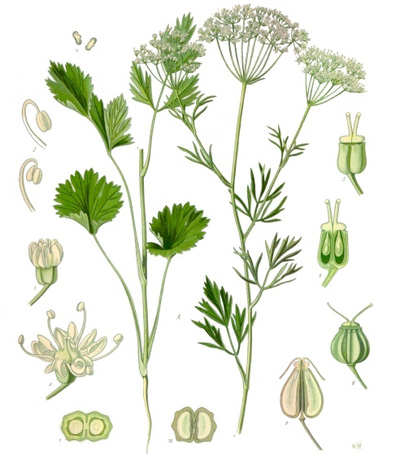
Watch: About Anise with Jade Shutes
BOTANICAL INFORMATION
Common names: Anise, Aniseed
Scientific name: Pimpinella anisum L.
Botanical family: Apiaceae
Conservation status: Least concern
EXTRACTION INFORMATION
Country of origin: Europe, native to Mediterranean region
Part of plant used: dry ripe fruits
Extraction method: Distillation
Essential oil yield: 1.5-6% v/w (volume to weight)
Color of oil: Light yellow to clear
AROMATIC CHEMISTRY
Twenty-three components make up 99.2% of the essential oil of Anise. Anise is rich in the phenylpropanoid, trans-anethole (87-84%). Other components include:
Monoterpenes: a-pinene (0.14%), camphene (0.02%), myrcene (0.02%), limonene (0.06%), y-terpinene (0.1%), p-cymene (0.11%)
Sesquiterpenes: a-ylangene (0.06%), a-himachalene (0.29%), trans-b-farnesene (0.05%), y-himachalene (3.13-3.52%), a-curcumene (0.26%), a-zingerbernene (0.19-1.9%%), b-himachalene (0.18%), b-bisabolene (0.21%)
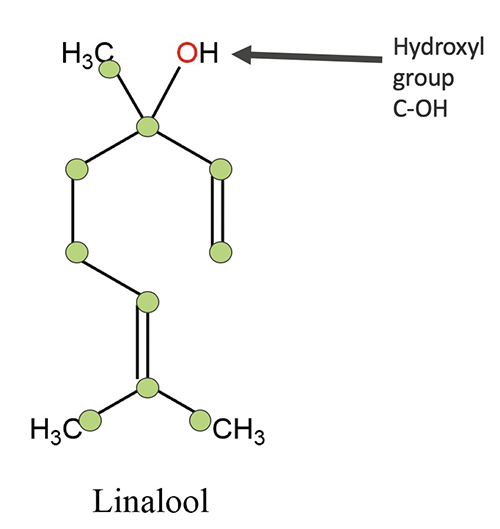
Monoterpenols: linalool (1.79%)
Esters: eugenyl acetate (3.92%)
Ketones: camphor (0.13%)
Phenylpropanoids: trans-anethlole (87.4 – 93.9%) estragole (2.27%)1,2,3
SAFETY INFORMATION
- The internal use of anise essential oil is not recommended for infants or children (under age 14) or during pregnancy or while breast-feeding.
- It is contraindicated for use when hormone-dependent cancer is present due the estrogen-like activity of its main component: trans-anethole.
Medication alert! The internal use of anise essential oil is contraindicated for individuals on anticoagulant drugs or who are about to undergo major surgery. - Recommended internal dosage for adults: 1-2 drops / 3 times a day4
THERAPEUTIC ACTIONS
Analgesic5, antibacterial, antifungal, antimicrobial6, antioxidant, antispasmodic, carminative, digestive, expectorant7, hepatoprotective8, mucolytic, muscle relaxant9, secretolytic
SYSTEM AFFINITIES
Digestive, Respiratory
BLENDING INFORMATION
Aroma description: Herbaceous, fennel-like, licorice-like
Blending factor: 4-5
Note: Mid
Blends well with: Fennel, rose essential oil or absolute, niaouli, thyme ct. thymol or ct. geraniol or ct. linalool, lemon, lavender, cardamom, ginger, geranium, clary sage, cypress, spearmint
Substitutions: Sweet fennel, ginger
CORE INDICATIONS
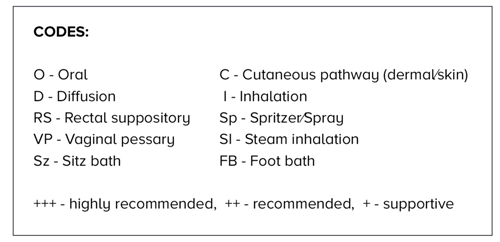
- Digestive system: dyspepsia, flatulence, bloating, nausea, mild gastrointestinal spasms, flatulent colic, indigestion with weakness, poor appetite11 (O+++, C+++, I+++)Here is an example of Anise being used in a Gut Flora Complex by MediHerb. A line of supplements formulated by Kerry Bone. See here for a full description of the product.

- Reproductive system: lack of menstruation, aphrodisiac, menstrual cramping (C+++, I+++, O+)
- Respiratory system: acute and chronic bronchitis, colds, emphysema, nasal congestion, excess catarrh in upper respiratory system, pertussis, dry, painful spasmodic cough with difficulty getting mucus to expel12 (O+++, C+++, I++, D++)
RESEARCH NOTES
Clinical trials
- In a three-armed double-blind clinical trial designed to study the effect of anise essential oil (Pimpinella anisum) on symptoms in patients with Irritable bowel syndrome (IBS) characterized by pain and bloating, anise essential oil proved superior to placebo and the medication, colpermin. The trial included 120 participants and used three treatment arms: 1/ with enteric coated capsules containing 200mg of anise oil, 2/colpermin and 3/placebo. By the end of the trial 75% of patients in the anise oil group were free from symptoms associated with IBS compared to 52.5% in the colpermin group and 35% in the placebo group. The anise oil was particularly effective at reducing bloating, reflux, and abdominal pain. No adverse events were observed with the anise capsule while 26.31% (14 patients) experienced some adverse reactions to Colpermin and 2.56% (1 patient) in the placebo group.13
- Human trials have shown relief of constipation consistent with the historical role of anise in resolving gastrointestinal complaints.14
Animal Studies
- Anise (Pimpinella anisum) essential oil exhibits a statistically significant bronchodilatory effect.15
In Vitro Studies
- Anise (Pimpinella anisum) essential oil exhibits strong antifungal activity against yeasts and dermatophytes.16
- Anise (Pimpinella anisum) essential oil possesses anticonvulsant activity.17
- Anise (Pimpinella anisum) essential oil exhibits mosquito repellent activity.18
- Anise (Pimpinella anisum) essential oil exhibits antibacterial activity.19