Introduction
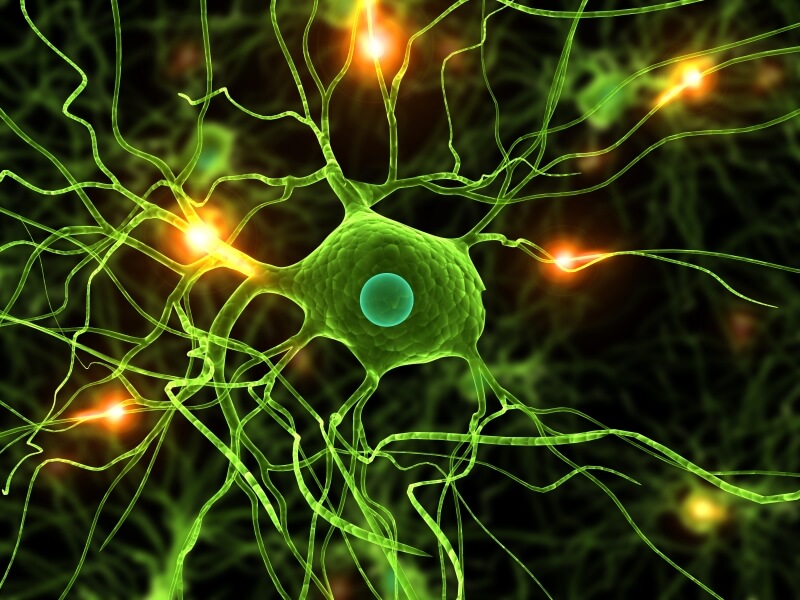
Each day, your body must accomplish the enormously complex and dynamic job of keeping itself not only alive but healthy, physically, emotionally and spiritually as well! Throughout the body are billions of cells, each of which performs some activity necessary for the human organism to continue functioning. The principal way in which the brain can tell the rest of your body what to do is to send messages through the nervous system and the endocrine system. The nervous system and the endocrine system (the two main control systems) could be considered the key directors (under the brain’s authority) of these billions of cells. Both systems transmit vital information throughout the body, orchestrating conscious and unconscious activities.
How each of these two systems accomplishes this task is unique and different from one another. The nervous system operates rapidly, receiving information via nerve impulses from sensory and internal stimuli and then quickly responding to that information by sending other information around the body to provide instructions for some response, movement or recognition. The nervous system, via the brain, is also responsible for our emotions, ranging from anger to love. The endocrine system, on the other hand, transmits information more slowly than the nervous system. The endocrine system relies on hormones (chemical messengers) secreted by ductless glands into the bloodstream. These hormones circulate from the glands to other parts of the body where information is communicated to various organs and cells. Nerve impulses and hormones communicate vital information throughout the human organism, increasing or decreasing activities of cells or organs as needed for healthy survival and living.
Homeostasis and Allostasis
The word homeostasis is derived from the Greek words meaning “to keep things the same” (from the Greek homoios, meaning “similar,” and stasis meaning “position.”) The essence of homeostasis and its importance for the organism is to be found in the words of the physiologist Walter B. Cannon, who introduced the term in the 1920s: “As a rule, whenever conditions are such as to affect the organism harmfully, factors appear within the organism itself that protect it or restore its disturbed balance.”
Homeostasis can, therefore, be defined as the body’s ability to maintain a constant internal environment. The maintenance of the body’s homeostasis requires the integrated coordination of every tissue within it, but it is the vascular system that, along with the immune, endocrine, and nervous systems, links them all together in the common enterprise of sustaining life.
Homeostasis is maintained by two general categories of regulatory mechanisms: (1) those that are intrinsic, or “built-in,” to the organs that produce them and (2) those that are extrinsic, as in regulation of an organ by the nervous and endocrine systems. The nervous and endocrine systems are, therefore, of great importance for maintaining and influencing the health of the human organism. These two systems – along with the immune system – are the meeting ground of the physical world with the emotional world, as we shall see in our exploration of both allostasis and psychoneuroimmunology below, and in the lesson on stress.
Allostasis is a modern concept, first developed by Peter Sterling and Joseph Eyer of the University of Pennsylvania, and then extended by Bruce McEwen of Rockefeller University. Allostasis literally means “maintaining stability through change.” The concept of allostasis extends the idea of homeostasis, making it an adaptive process where the body adapts to meet physical, psychosocial, environmental, and stressful challenges.
Allostasis is based on the idea that the body’s systems have different ideal levels depending on different circumstances. For example, the ideal balance in the body for normal everyday life would be different than that required for skiing down a steep mountain. Allostasis, coordinated by the brain, describes changes throughout the body, including behavioral changes. This variability – versus just one set point such as in the concept of homeostasis – is favorable because it means that the body is able to change and adapt, keeping its internal environment within the ideal bounds for any given situation.
According to McEwan, the concept of homeostasis only considers a limited number of physiological parameters, such as pH, body temperature, glucose levels, and oxygen tension, which are those criteria that are fundamentally essential for life and that are therefore maintained within a narrow range of their respective set-points. Allostasis, other the other hand, also looks to how homeostasis is maintained through the production of chemical messengers such as adrenaline and cortisol. These messengers are mediators of the stress response, directing adaptation to and recovery from situations of acute stress, be it skiing down a mountain or the break-up of a relationship.
Allostatic systems enable us to respond to our physical state (e.g., whether we are awake, asleep, lying down, standing up, or exercising) and to cope with noise, crowding, isolation, hunger, extremes of temperature, physical danger, psychosocial stress, and microbial or parasitic infections. A good example of this is to think about our blood pressure. When we wake up in the morning there is a rise in blood pressure; our blood pressure also fluctuates with exercise, strong emotions, and other demands throughout the day. These fluctuations make it possible for us to function in response to our changing social and physical environments.
Whether exposed to danger, an infection, a crowded and noisy room, or having to take an exam or give a speech in public, the body responds by turning on an allostatic response, thus initiating a complex pathway for adaptation and coping. This pathway is then shut off once the challenge has passed.
We will be revisiting allostasis and homeostasis in the section on stress. For more basic information about allostasis, visit: http://www.ncbi.nlm.nih.gov/pmc/articles/PMC1197275/
Watch: Allostasis Physiology
Stress and the Integration of the Nervous, Endocrine and Immune Systems
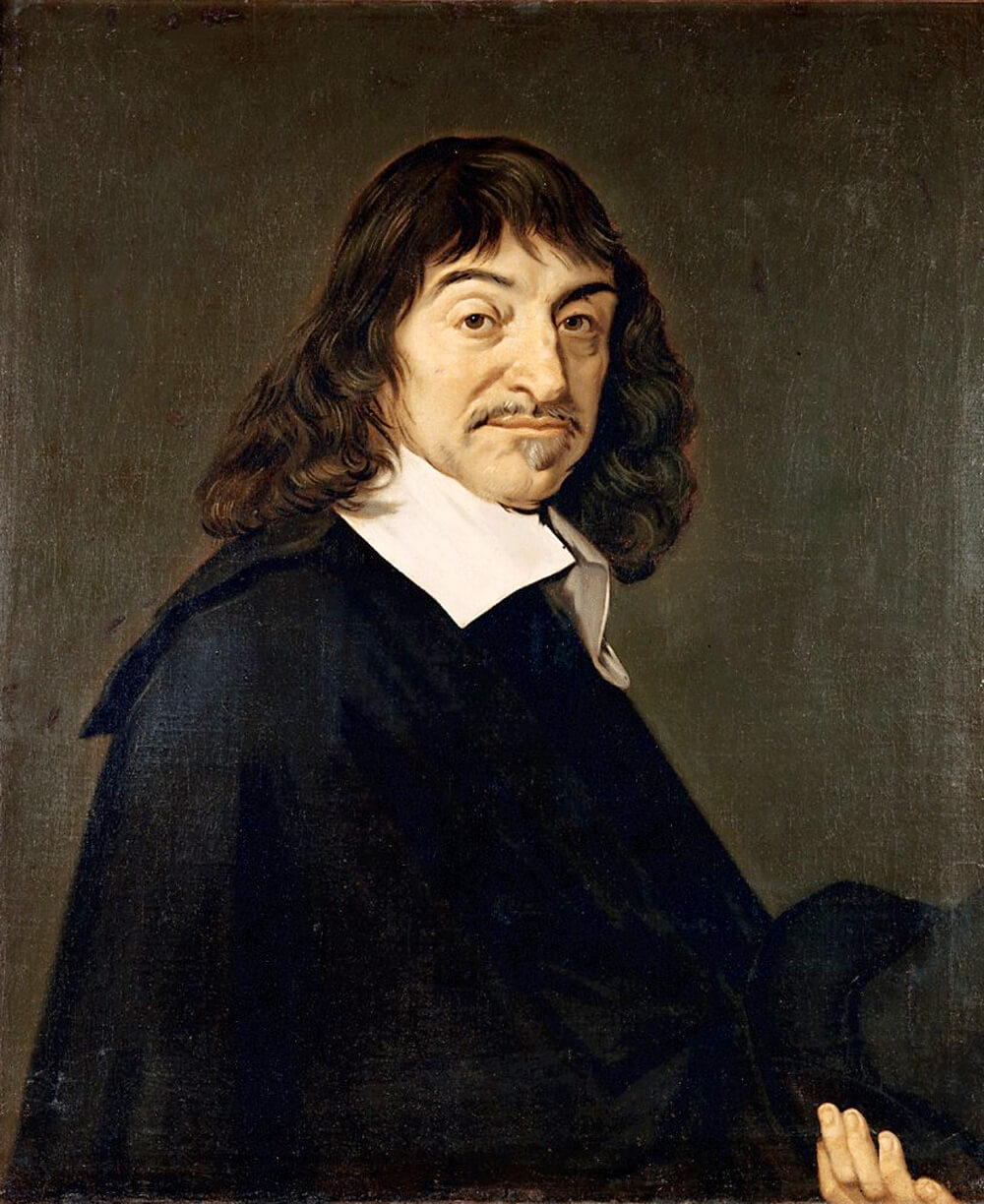
René Descartes (1596-1650), a French philosopher, believed that the mind (res cogitans) and body (res extensa) operated separately from each other as completely unique entities. While he believed body could affect mind, he did not believe mind could affect body. The Cartesian formulation led to the view that the body reflected the machine-like characteristics of the universe itself – machine-like bodies inhabiting a machine-like world. This concept is the basis of the mechanistic or Cartesian philosophy, also called reductionist philosophy, and it is this philosophy that, until recently, influenced modern science and medicine. We can observe this influence in medicine by the manner in which physical diseases have been treated as entirely separate from psychological imbalances.
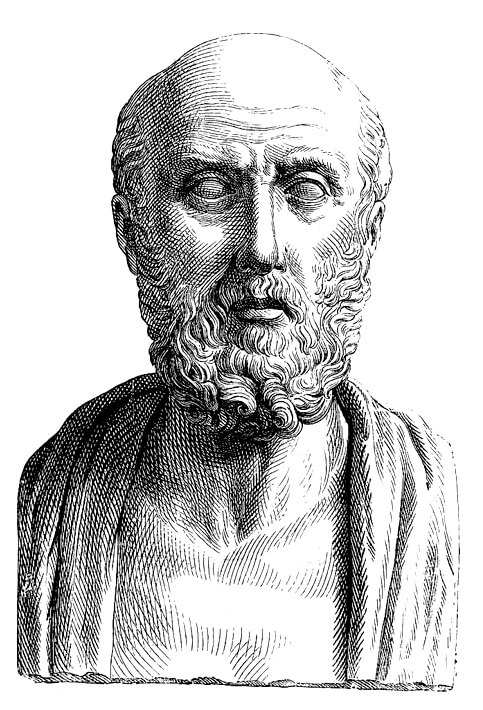
Although the cornerstone of Hippocratic medicine has always been about the connection between mind and body, it was ignored by the Cartesian approach to medicine. The concepts that led to the current understanding of the dynamic relationship among and integration of the nervous, endocrine, and immune systems took place over a period of time beginning with the 19th century.
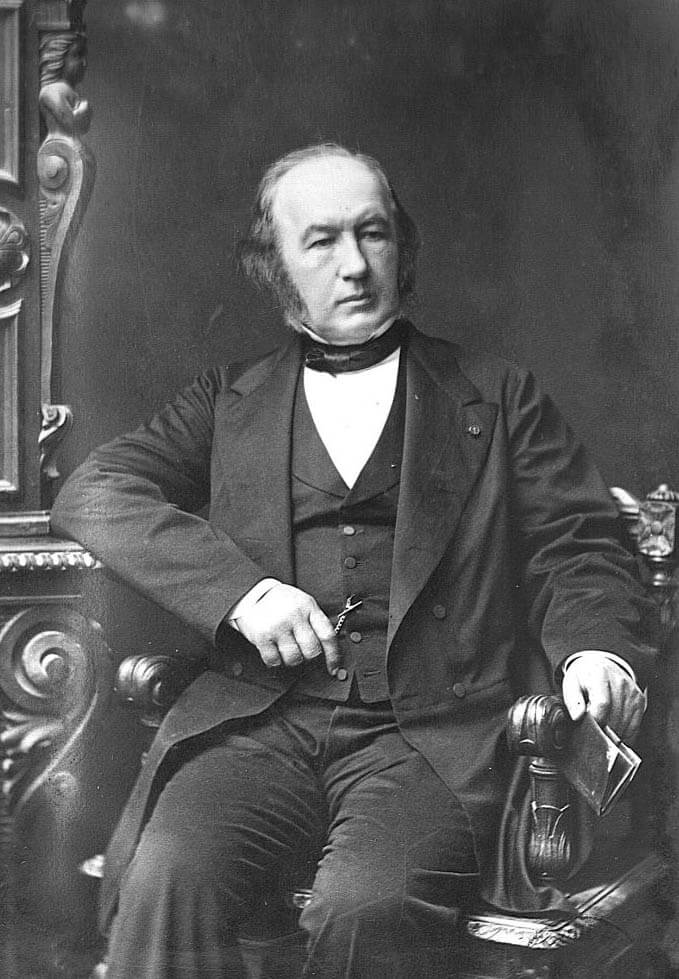
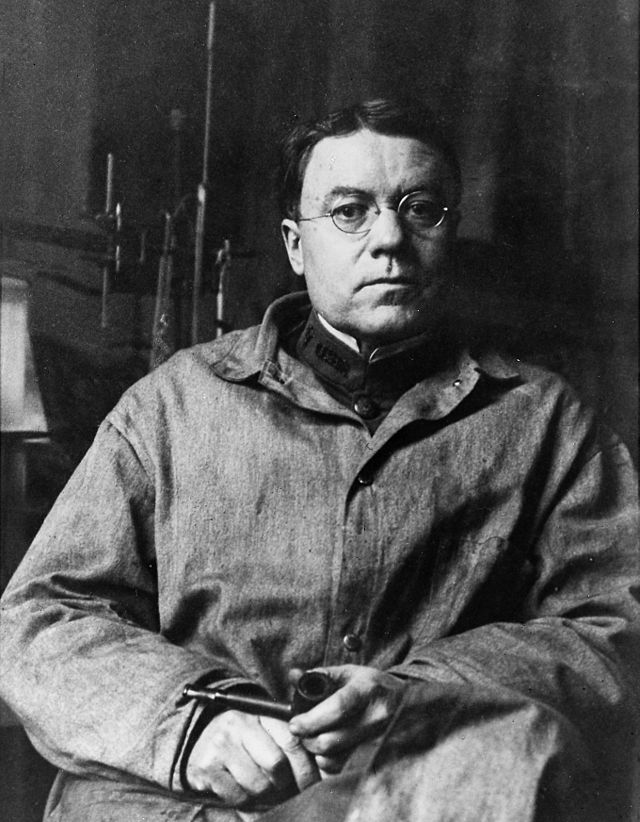
First, the “father of modern physiology,” Claude Bernard (1813-1878), established, through observation, that the body has a milieu intérieur, an internal environment, that it strives to maintain in a constant state, despite changes in its external environment. Next came the work of Walter Cannon (1871-1945), who described the dynamic equilibrium or balance of forces within an organism as homeostasis. Cannon also named the “fight or flight” response as the way in which animals respond when threatened.
Finally, Hans Selye (1907-1982) developed the idea of stress along with his description of the general adaptation response, or the way the body mobilizes itself to meet the demands of any physical or emotional stress.
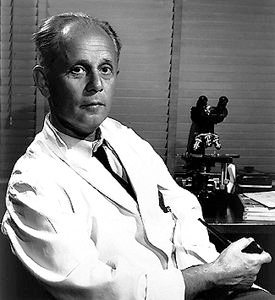
Selye determined that stress is stress, regardless of whether it is from a positive or negative source, such as getting excited about going on a beautiful vacation or planning for that vacation. The stress from a positive source he called “eustress,” while the stress from a negative source he called “distress.” He was also the first to describe the system whereby the body copes with stress, the hypothalamic-pituitary-adrenal axis (HPA axis) system.
Selye proposed the concept of a general adaptation syndrome (GAS), a three-stage physiological reaction to return the body to homeostasis after it experiences a stressor. The three stages are the alarm reaction, resistance, and exhaustion. The degree to which a body goes through these three stages depends on how long the stressor persists. Eventually, if the stressor persists long enough past the point of exhaustion, this adaptive response will cease, possibly resulting in illness or even death.
Seyle’s work culminated in two important new ideas in the area of stress physiology:
- The body has a remarkably similar response (the General Adaptation Syndrome) to many different stressors.
- Stressors can potentially make you sick.
Selye’s idea of “exhaustion” was that one becomes sick at the point at which hormones secreted during the stress response become depleted. Although GAS sometimes manifests in extreme stress, the concept of the three components of GAS has not withstood the test of time, hence the concept of GAS has lost its scientific currency, so to speak.
According to Sapolsky, a more recent stress researcher and theoretician, it is very rare that any of the hormones are actually depleted, even during chronic stress. It is not so much that the stress response ceases from insufficient chemical production, but rather, with long-term, chronic stressful stimulation, that the actions of the stress response chemicals can become more damaging than the initial stressor itself. This is especially true when the stress is purely psychological. Sapolsky believes this to be a critical concept underlying the recent emergence of the many stress-related diseases.
The implications of such studies describing both a unified picture of mind and body and the power of the mind to affect the body were not recognized right away. Rather it took until the late 1960’s for researchers to begin reconnecting with these concepts as chronic illnesses took root.
After and during the time that Hans Selye was studying stress and its impact on the body/mind, work was also being done by individuals such as George Solomon (1931-2001) at Stanford University, Robert Ader (1932-2011) at the University of Rochester, and Candace Pert (1946-2013) at Johns Hopkins University. Solomon pinpointed the central role of the hypothalamus in immunity, while Ader showed that the mind, presumably acting once again through the hypothalamus, can affect immune activity. Pert suggested that peptides were the messengers connecting the brain cells to the immune system. Ader named the new field they were creating “psychoneuroimmunology” to emphasize the interconnections among mind, brain, and immune system.
Finally, the connections were made, and over the past ten years we have seen tremendous growth and expansion not only of psychoneuroimmunology but also the development of a more modern view of homeostasis – the concept of allostasis. The connections between the mind and the emotions it produces, and three of the body’s most important regulatory systems – the autonomic nervous, endocrine, and immune systems – has been firmly established. It is within this framework of body/mind that aromatherapy will continue to grow and flourish.
The brain uses hormones and neuronal mechanisms to regulate functions of the immune system and, in return, cytokines in the immune system allow it to regulate the brain. The interactions between the neuroendocrine and immune systems provide a finely tuned regulatory system required for health. Nowhere is this relationship more evident than when we begin discussing stress and emotions. We will explore this further in the lesson dealing with stress.
To deepen our understanding of these concepts, we will begin by developing an understanding of the nervous system followed by the endocrine system (with particular emphasis on understanding its role in the stress response). Ultimately, we will connect these two systems with the immune system.